
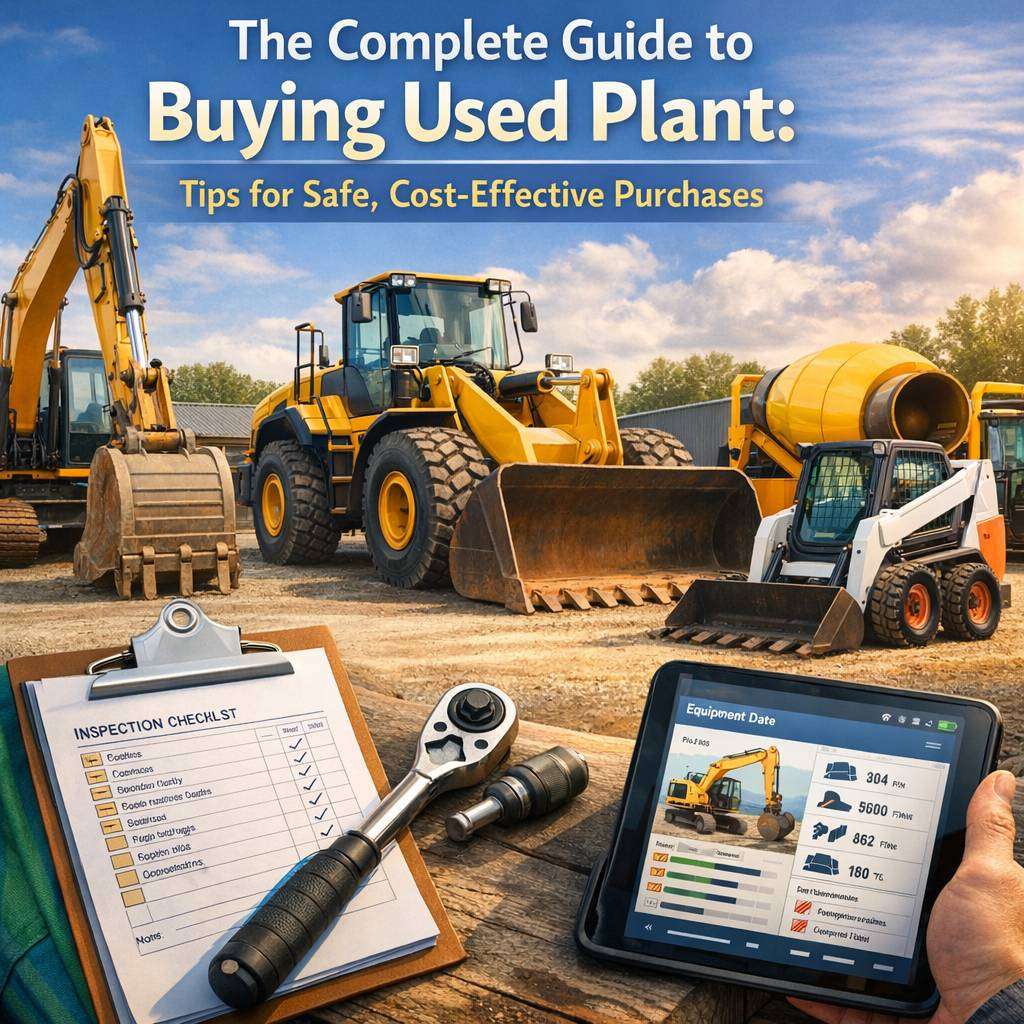
Purchasing used plant can be a smart move for construction projects of all sizes, delivering reliable performance while protecting your budget. Whether you’re equipping a small site or managing a fleet for a larger operation, making informed choices about plant machinery for sale uk helps you avoid costly mistakes and downtime. This guide, written from an industry expert perspective, outlines practical steps to assess, source, and secure second hand plant and machinery for sale without compromising safety or efficiency.
Start with a clear brief and budget
Before you begin the search, define the scope of work and the specific capabilities you need from plant and equipment. Think about load requirements, terrain, expected duty cycles, and the environments in which the machinery will operate. Pair this with a realistic budget that accounts for purchase price, delivery, commissioning, and potential maintenance in the first months. Establishing clear expectations early saves time and reduces the risk of buying equipment that won’t meet project demands.
Check the provenance and service history
One of the most reliable indicators of a solid purchase is documented provenance. Ask for the machine’s service history, previous owners, and any outstanding recalls or safety notices. For plant machinery for sale uk, a well-kept maintenance record suggests the equipment has been cared for and serviced by qualified technicians. Cross-check serial numbers and model specifications with the manufacturer to confirm accuracy. A transparent history also makes it easier to negotiate a fair price and plan future maintenance.
Looking for reliable used plant sales that deliver value and performance? Our expert team sources and negotiates top-condition equipment, backed by transparent histories and competitive warranties. Explore our inventory today and discover practical options for your project. https://www.sjhallplant.com
FAQ: Used Plant Sales
What is considered “used plant” in this context?
Used plant refers to construction machinery and equipment that has been previously owned and operated, rather than new units. This can include excavators, cranes, loaders, bulldozers, forklifts, and other machinery that is suitable for resale or rental.
How do I know if a used plant is reliable?
Look for a detailed service history, maintenance records, hours logged, and a clear provenance. Reputable dealers provide inspection reports, photos, and certifications. If possible, request a third-party inspection or a pre-purchase survey.
What should I check before purchasing used plant?
- Hours and usage history
- Mechanical and structural condition
- Hydraulic and fuel system integrity
- Undercarriage and wear parts
- Safety features and compliance
- OEM parts availability and serviceability
- Documentation (title, service history, warranties)
Do used plant sales come with warranties?
Many dealers offer limited warranties or refurbished units with a warranty period. Some sellers provide a short-term warranty or optional extended warranties. Always confirm terms, coverage, and exclusions in writing.
Can I finance used plant purchases?
Yes. Many dealers offer finance options, bulk purchase agreements, or leasing arrangements. Some lenders specialise in machinery financing and may require appraisal or inspection reports as part of the approval process.
Are there risks with buying used plant?
Risks include hidden wear, past accidents, missing parts, or poor maintenance. Mitigate by buying from reputable dealers, obtaining inspections, verifying maintenance records, and negotiating clear return or warranty terms.
How is pricing determined for used plant?
Pricing depends on age, hours, condition, maintenance history, brand, model, and market demand. Comparable unit prices, recent sales data, and any included attachments or tooling affect the cost.
Should I buy used plant or rent it?
If you need long-term use, predictable budgeting, and faster project readiness, buying may be cost-effective. If you require seasonal or short-term usage, renting can reduce upfront costs and maintenance responsibilities.
Can I test or view the machine before purchase?
Most reputable dealers allow on-site demonstrations, test runs, or video demonstrations. Arrange a viewing to assess performance, start-up, and operational condition.
What documentation will I receive with a used plant purchase?
Typical documentation includes the bill of sale, title or ownership transfer, maintenance records, inspection reports, parts and service history, and any applicable warranties or certifications.
Do you offer delivery and on-site commissioning?
Many dealers provide delivery to your site, and some offer on-site commissioning or operator training as an added service. Confirm lead times, costs, and required site access.
How do I assess compatibility with my project?
Identify the required lift capacity, reach, breakout force, reach, stability, and attachment compatibility. Compare the machine’s specifications to your project’s requirements and consider site constraints.
What should I do after purchasing used plant?
Schedule a service check, replace or service consumables as needed, verify fluid levels, and confirm safety features. Maintain a logbook for future maintenance and plan for regular servicing.
Do you also sell used attachments and parts?
Yes, many dealers offer a range of used attachments (buckets, breakers, grabs) and spare parts. Availability may vary by unit and model.
How can I get the best deal on used plant sales?
- Do thorough due diligence (inspection, service history, and documentation)
- Compare multiple units and vendors
- Negotiate warranty terms and after-sales support
- Consider bundled deals with attachments or service packages
What markets do you serve for used plant sales?
We serve customers regionally and may offer nationwide or international shipping, depending on the unit and regulatory requirements. Contact us for availability and delivery options.
If you’d like, I can tailor these FAQs to your specific inventory, brand, and warranty policy.
Looking for reliable used plant sales that deliver value, performance, and uptime? Our marketplace specializes in rigorously inspected equipment, certified pre-owned machines, and flexible purchase options to fit any project timeline. We combine transparent histories, competitive financing, and responsive support to keep your site progressing smoothly. Discover trusted options today and compare models across brands and capacities. For more information and industry insights, visit our partner resources in the second half: https://conference.reliableplant.com/.
Looking for reliable used plant sales that deliver value and performance? Our team specializes in sourcing quality equipment and offering transparent, competitive pricing. Our inventory spans excavators, loaders, crushers, and more, all vetted for uptime and safety. We provide flexible financing, fast delivery, and experienced support to keep your projects on track. For ongoing access to affordable options and top-tier machinery, explore our marketplace now. https://www.processplant.com/
Inspect the condition with a trained eye
A thorough inspection is essential when evaluating used plant and machinery. Look for signs of wear that could impact performance, such as hydraulic leaks, cracked hoses, worn tracks or tyres, and corrosion. Check the operator cab for legible controls, diagnostic lights, and a clean, functional display. Where possible, request the opportunity to test-run the machine on site to verify starting reliability, smooth gear changes, and safe operation of all systems. If you lack hands-on experience, consider bringing an independent plant mechanic or a trusted operator to assess condition and provide a professional opinion.
Prioritise safety and compliance
Safety should be non-negotiable. Ensure the equipment meets current UK safety standards and has up-to-date fittings and attachments. Verify that safety features such as emergency stop controls, alarms, securing points for loads, and rollover protections are present and functional. Check for a valid, up-to-date operator and maintenance manual, as well as any required CE markings or compliance documentation. For certain sectors, additional site-specific requirements may apply; always align your purchase with health and safety policies and the expectations of your client or project.
Understand the total cost of ownership
The sticker price is only part of the story. Consider running costs, including fuel efficiency, maintenance intervals, parts availability, and downtime resulting from repairs. When comparing plant machinery for sale uk, also factor in depreciation and potential resale value. Access to a reliable supply of spare parts and a straightforward service network can significantly reduce life-cycle costs. If you’re buying used plant or machinery and equipment in bulk, negotiate bundled service plans or discounted labour rates to shave future expenditure.
Evaluate the pump, engine, and hydraulics
For many machines, performance hinges on the engine, hydraulic system, and ancillary components. Listen for unusual sounds during operation that could indicate wear or impending failure. Check hydraulic fluid quality and look for signs of contamination, which can compromise efficiency and long-term reliability. Inspect the radiator and cooling system for blockages or leaks, particularly in hot climates or heavy-duty work. A robust, well-maintained engine and hydraulics minimise the risk of unexpected downtime and costly repairs.
Consider after-sales support and warranties
Used plant and machinery for sale UK environments benefit from solid after-sales support. Inquire about warranty options, even for limited periods, and confirm what is covered (engine, hydraulics, transmission, wear parts). A reputable seller will offer guidance on maintenance schedules and may provide a diagnostic check or operational warranty to give you peace of mind. When access to a manufacturer-trained service network is limited, ensure the seller can recommend trusted independent technicians for routine servicing.
Assess financing and delivery options
If you require flexible payment terms, explore finance options tailored to plant machinery and equipment. Leasing can be an attractive route for businesses looking to preserve cash flow while keeping machines up to date. Clarify delivery timelines, site access requirements, and the process for handover and commissioning. Coordinating delivery with a competent technician on-site minimises disruption and ensures equipment is ready to work from day one.
Look beyond the obvious models
The market for second hand plant and machinery for sale is diverse. Rather than sticking to familiar models, compare alternatives that offer similar capabilities at a better price or with longer remaining service life. Some older machines may offer the best value if they have been consistently maintained and have relatively low hours. Conversely, a lightly used newer model could deliver superior efficiency and lower maintenance risk, making it the smarter long-term choice.
Build a checklist for due diligence
Create a practical checklist that covers your must-haves, nice-to-haves, and deal-breakers. Include machine specifications (engine type, hydraulic capacity, lift height, breakout force), condition indicators (oil levels, filter condition, wear parts), safety features, documentation (service history, manuals, spare part availability), and supplier credibility (customer reviews, return policies, and after-sales support). A well-structured checklist keeps the purchasing process efficient and reduces the likelihood of overlooking critical details.
Final tips for a confident purchase
- Engage with established sellers or plant machinery sales specialists who understand the nuances of the market and can offer trusted recommendations.
- Request independent mechanical verification if you’re unsure about the machine’s condition or maintenance history.
- Prioritise equipment with documented maintenance and recent service work rather than purely low mileage.
- Ensure you have a clear plan for transport, site induction, and operator training to maximise safety and productivity from day one.
Buying used plant requires a balanced approach: you want value without compromising safety or reliability. With careful evaluation, transparent documentation, and access to dependable after-sales support, you can secure plant and machinery that meets project demands while keeping total life-cycle costs under control. Whether you’re exploring plant and tyres or broader plant and equipment options, a thoughtful strategy makes the difference between a good purchase and a regrettable one.