
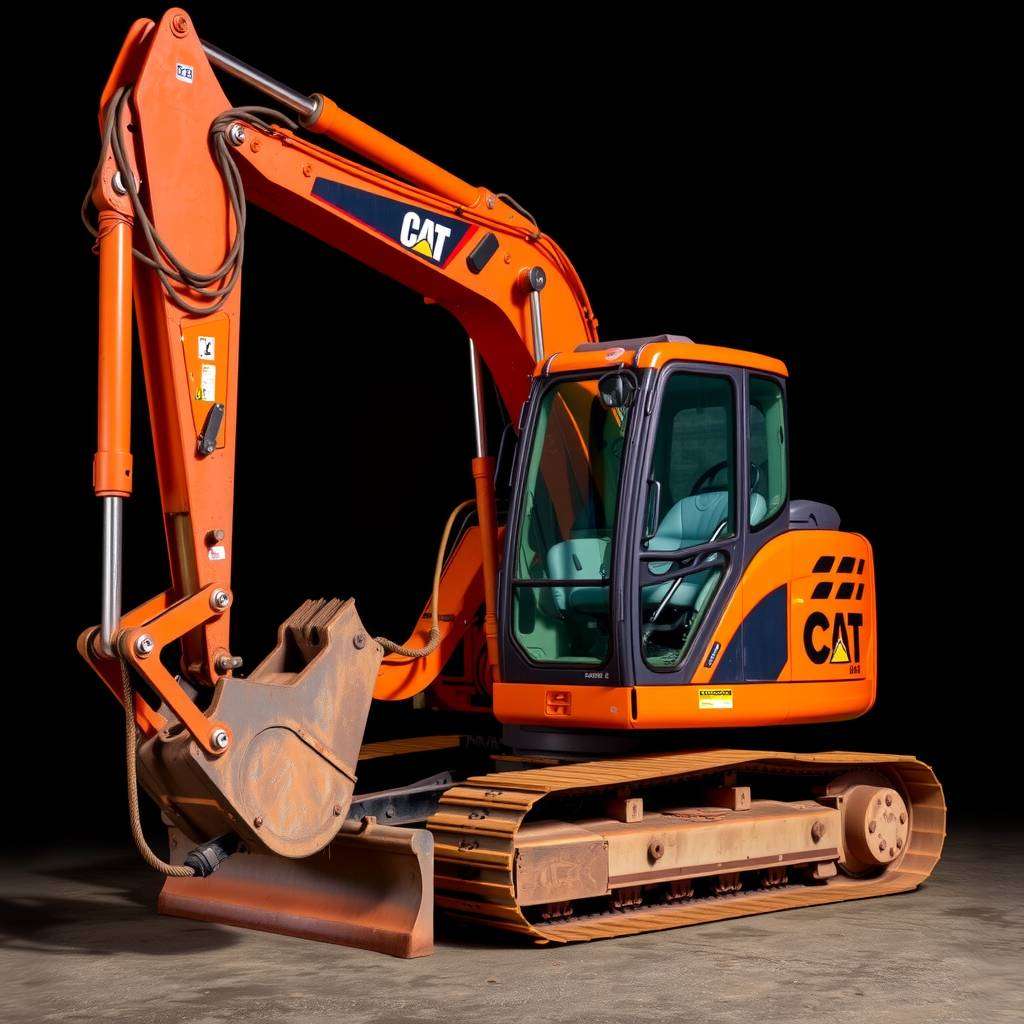
When it comes to construction and excavation projects, choosing the right machinery can significantly impact efficiency, safety, and overall success. Among the various types of equipment available, excavators stand out as essential tools for a wide range of applications, from digging and demolition to lifting and material handling. With numerous models on the market, including new options and an extensive selection of used mini excavators and second-hand excavators, making an informed decision is crucial to maximising your investment and productivity.
In this comprehensive guide, we will explore the critical factors to consider when shopping for excavators for sale. Whether you are a contractor looking to expand your fleet, a DIY enthusiast taking on a personal project, or a business seeking to rent machinery, this guide aims to provide you with the knowledge needed to select the right excavator for your specific requirements.
Understanding Excavator Types and Sizes
Excavators come in various sizes and configurations, each designed to cater to different tasks and environments. Primarily, excavators are classified into three categories: mini (or compact) excavators, standard excavators, and large excavators.
Mini Excavators
Mini excavators, often used in residential or small construction projects, are typically between 1.5 and 8 tonnes. Their compact size allows them to maneuver easily in tight spaces, making them ideal for landscaping, utility work, and urban sites. When considering a used mini excavator, check for features such as adjustable tracks, which allow for even greater flexibility in confined areas. These smaller machines usually come equipped with a range of attachments, from buckets to augers, enabling versatility for various tasks.
Standard and Large Excavators
Standard excavators range from 8 to 45 tonnes, making them suitable for extensive construction projects, such as roadworks and civil engineering tasks. For heavier-duty operations, large excavators can weigh over 45 tonnes and are typically used in mining, quarrying, and large-scale earthmoving. When looking at second-hand excavators, pay careful attention to their service history, as wear and tear can significantly vary with the machine’s usage.
Key Features to Consider When Purchasing Excavators
After deciding on the size, it’s essential to consider several features that can influence performance, efficiency, and safety.
Discover high-quality excavators for sale tailored to meet your construction needs. Our extensive inventory features reliable models designed for efficiency and performance, ensuring you get the best machinery for your projects. Explore today!
Digging Depth and Reach
A critical consideration when choosing an excavator is its digging depth and reach, as these capabilities determine how effectively the machine can perform your intended tasks. An excavator’s arm, or boom, typically extends and retracts, allowing operators to dig deeper and reach further. Assess the depth requirements of your project and ensure that the excavator can meet those specifications. For example, if you plan to dig footings for foundations, select a model with sufficient reach and depth to handle the tasks necessary.
Hydraulic System and Power
The hydraulic system is vital for an excavator’s functionality, as it powers the machine’s movements. Modern excavators come equipped with advanced hydraulic systems that optimise power while improving fuel efficiency. When purchasing, consider machines with variable hydraulic flow rates, as they allow for better control over attachments, resulting in enhanced precision and safety. Also, review the engine power specifications to ensure the excavator can handle your planned workload without straining the machinery.
Budget Considerations: New vs. Used Excavators
When searching for excavators for sale, you will need to determine your budget and whether investing in new or used machinery makes the most financial sense.
New Excavators
Buying a new excavator often comes with the advantage of the latest technology and warranties. With new models, you can expect improved fuel efficiency, reduced emissions, and advanced safety features that have been developed through industry innovations. However, these machines can come with a substantial price tag and may not always fit within your budget.
Used and Second-Hand Excavators
On the other hand, opting for a used mini excavator or a second-hand excavator can offer significant cost savings. Many construction companies update their fleets regularly, leading to many well-maintained, high-quality used excavators on the market. When considering a used machine, it’s crucial to evaluate not only the cost but also the lifespan remaining and potential repairs required. Check for any signs of wear, inspect the hydraulic systems, and ask for maintenance records to understand the machine’s history.
By carefully evaluating these aspects, you can make a more informed decision whether you opt for a new purchase or seek out a reliable used mini excavator to support your upcoming projects. Remember, choosing the right equipment will enhance your efficiency and productivity, ultimately yielding a higher return on your investment.