
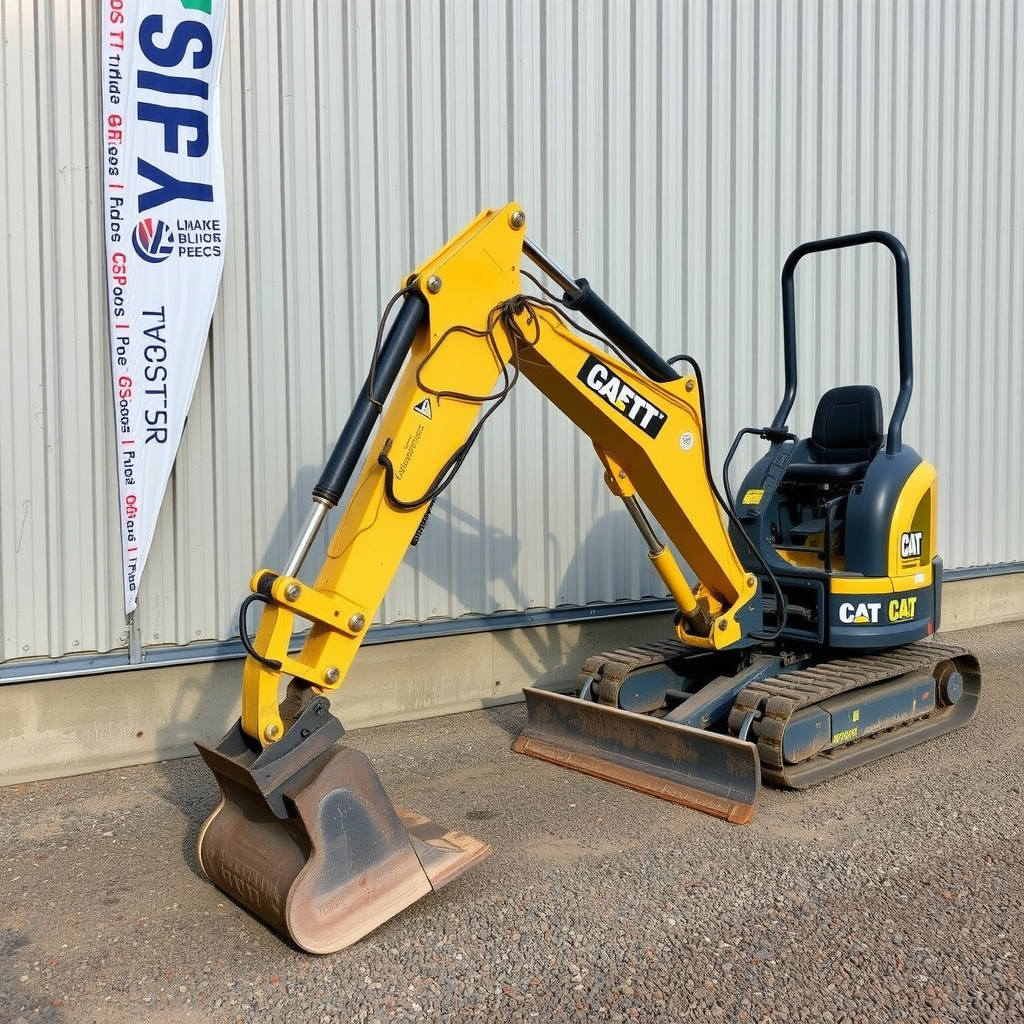
When it comes to the construction industry, the decision to rent or purchase plant machinery is often a pivotal one that can significantly impact your business’s bottom line. The choice largely depends on several factors that include project type, duration, and financial capability. In the UK, where the market for used plant equipment is vibrant, understanding your options can find you a path that aligns with your operational needs.
As an operator or contractor, the struggle between acquiring machinery and reducing the cost burden can lead to questions about the best route to take. This post will delve into the advantages and disadvantages of renting versus buying plant and machinery, helping you make an informed decision that suits your operational requirements and finance strategy.
Understanding Your Options: Renting Plant Machinery
Renting plant machinery can be a convenient and cost-effective solution for many construction businesses, especially those that engage in short-term projects. The key benefits include:
Financial Flexibility
One of the most compelling reasons to rent instead of purchasing is the financial flexibility it provides. Renting plant machinery means you can allocate your capital elsewhere without the significant upfront investment required to purchase new or used plant equipment. Whether your project spans weeks or months, renting enables you to manage your cash flow more effectively, freeing up capital for other operational costs or investments in business growth.
Access to Latest Technology and Maintenance
When you rent, you gain access to the latest models and technologies in the industry. This benefit can be crucial, as modern machinery not only enhances efficiency but often offers improved fuel economy and emissions control. Moreover, rental agreements typically include maintenance, meaning that the upkeep and repairs of the machinery are taken care of by the rental company. This ensures that you have reliable equipment without worrying about additional costs or downtime due to maintenance issues.
Purchasing Plant and Machinery: Pros and Cons
While renting offers numerous advantages, purchasing plant machinery carries its own set of benefits and drawbacks. Let’s explore both sides:
Long-term Investment
Investing in plant and machinery can be a wise decision for companies with consistent work that requires specific equipment. Owning machinery means you have full control over it, allowing you to customise and maintain it according to your specific needs. Furthermore, the investment in owned machinery can yield returns over time, especially if you frequently require specific types of equipment. The UK market also features a range of used plant machinery for sale, offering budget-friendly options for businesses seeking to own their equipment rather than rent.
Depreciation and Maintenance Costs
However, purchasing machinery is not without its pitfalls, particularly concerning depreciation and ongoing maintenance costs. New machinery depreciates significantly in the initial years, which can affect your financial statements. Additionally, as machinery age, the risk of breakdowns increases, leading to further expenses associated with repairs and maintenance. In contrast, renting can eliminate the unexpected costs associated with equipment failures, allowing you to budget more accurately.
Evaluating Your Needs: Rental or Purchase?
With the advantages and disadvantages of renting and purchasing outlined, it’s essential to evaluate your specific needs to make the most informed decision.
When it comes to reliable plant & machinery for construction projects, look no further than https://www.sjhallplant.com. We provide a comprehensive range of equipment for both sale and rental, catering to various construction needs. Our well-maintained fleet ensures safety and efficiency on-site, while our expert team is ready to assist you in selecting the right machinery for your project. Experience quality and service with us today!
Project Duration and Specificity
Consider the duration and nature of your projects. If your operation typically involves one-off or short-term projects, renting second-hand plant machinery or even newer models can be the best way forward, keeping your financial flexibility intact. In case you foresee regularly revisiting similar projects or have a long-term contract, investing in used plant equipment makes more sense, as it can lead to cost savings in the long run.
Budget and Financial Planning
Your budget plays a crucial role in deciding between renting and purchasing. If upfront costs are concerning, exploring second-hand plant and machinery for sale might strike the right balance if you ultimately decide to buy. Calculating the return on investment (ROI) for purchased machinery versus the ongoing rental expenses can provide clearer insights into what aligns with your financial strategy.
In conclusion, weighing the options between renting and purchasing plant machinery involves examining your company’s goals, budget, and project demands. By considering the advantages and disadvantages of each approach, you can make an informed decision that best suits your needs, ensuring ongoing efficiency and profitability.